Home modification grants and help in Saratoga County
The main places families in Saratoga County can look for help paying for accessibility and aging-in-place changes, and how to prepare before applying.
Several programs can help pay for ramps, grab bars, stair rails and accessible bathrooms in Saratoga County. The main ones to look at are Rebuilding Together Saratoga County, the Saratoga County Office for the Aging, the VA's grants for eligible veterans, and New York Medicaid waiver programs for people who qualify. Programs and eligibility change, so call each one for current details before you build a plan around it.
Get the need on paper first
Almost every program wants to know what the person needs and why. The strongest place to start is an assessment from an occupational therapist, usually set up through a doctor's referral. An OT writes down specific recommendations, things like "grab bars at the toilet and shower" or "step-free entry needed for walker." That makes an application clearer, and it helps make sure the money goes to the changes that will actually help.
Before you apply, gather what you can. Most programs will ask for some of the following:
- Proof of age, disability or veteran status, depending on the program
- Income information, since a lot of programs are income-based
- Proof that you own the house, or the landlord's written permission if you rent
- A written description of the work, and sometimes a contractor's written scope (see what a remodeling estimate should include)
Our home safety checklist for aging parents is a good way to write down the problems before the OT comes.
Rebuilding Together Saratoga County
Rebuilding Together Saratoga County is a nonprofit in Ballston Spa that runs home repair and accessibility programs for homeowners in the county. Some of its programs have been paid for through New York State Homes and Community Renewal (HCR). Two of those are Access to Home, which helps with accessibility changes for people with disabilities, and RESTORE, which helps older homeowners with emergency repairs.
Eligibility usually turns on income, age or disability, and owning the home. Funding comes in rounds and the rules shift, so call them for current details and to ask about any waiting list.
Saratoga County Office for the Aging
For an older resident or their family, the Office for the Aging is a good first call. Offices for the aging connect people with local services, help sort out benefits, and can point you toward home safety and repair programs that serve the county. They also tend to know which programs have money right now. Programs and eligibility change, so ask them for current details.
Grants for eligible veterans
The U.S. Department of Veterans Affairs has grants that can pay for changes to a veteran's home.
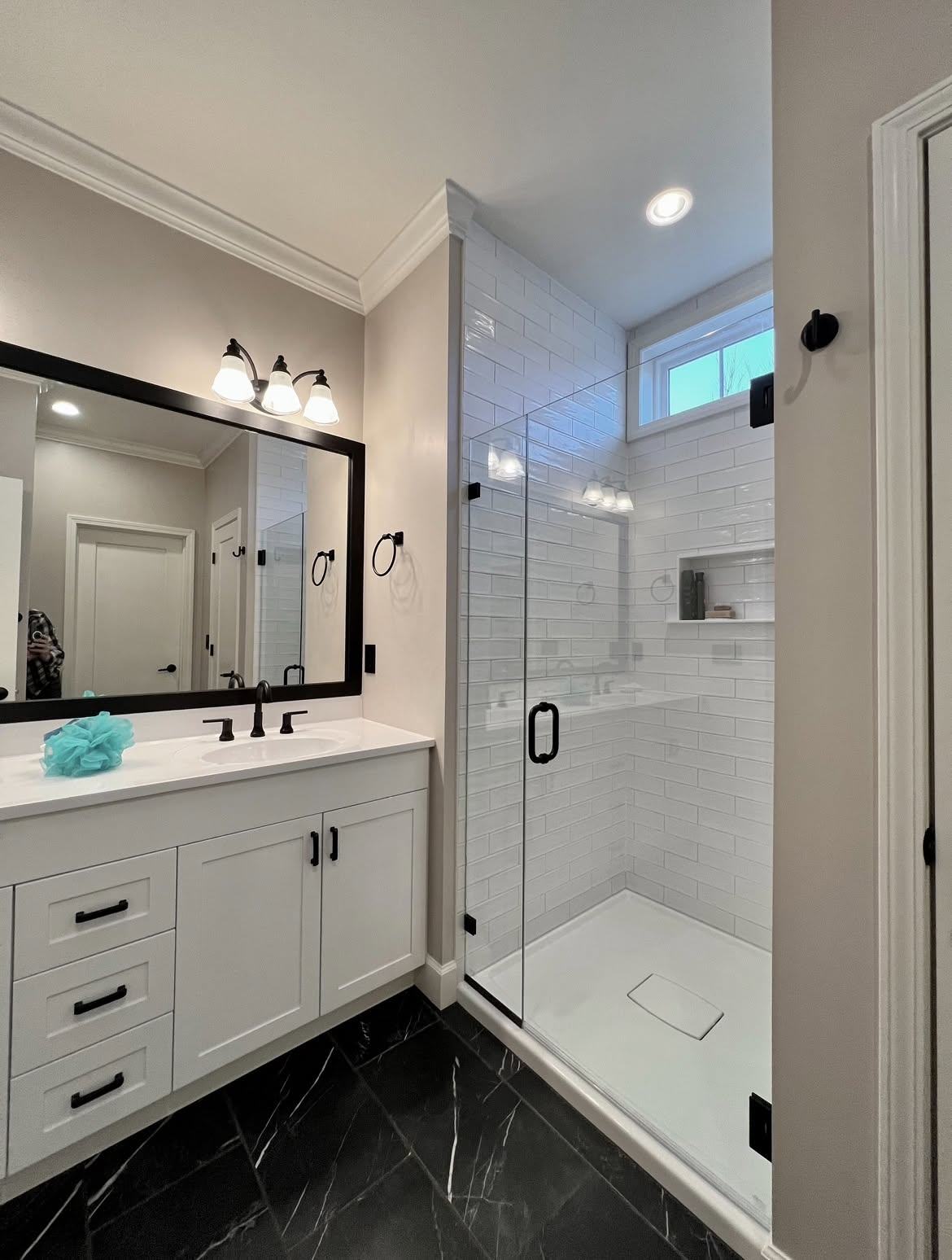
The HISA grant (Home Improvements and Structural Alterations) is for veterans with a medical need. It can help pay for things like a walk-in shower, wider doorways, ramps and handrails. The veteran's VA health care team is usually part of the request.
The SAH (Specially Adapted Housing) and SHA (Special Housing Adaptation) grants are for veterans with certain service-connected disabilities. They can help build, buy or adapt a home.
The eligibility rules are specific, and approval normally has to come before any work starts. Begin with the veteran's VA care team or the VA's website for current details. A county veterans service agency can also help with the paperwork.
New York Medicaid waiver programs
Some New York Medicaid waiver programs can pay for what they call environmental modifications, such as ramps, grab bars and bathroom changes. They're for people who qualify for Medicaid and need a level of care that would otherwise mean a nursing home, and the point is to let the person live safely at home instead.
These programs have specific medical and financial eligibility. They involve care coordinators, and they often need approvals before any work begins. Programs and eligibility change. Ask the person's care coordinator, Medicaid caseworker, or the Office for the Aging what applies now.
A few other places to check
Medicare generally doesn't pay for home modifications like grab bars or ramps, though it may cover some medical equipment. Some private plans and Medicare Advantage plans include a limited home safety benefit. Call the plan and ask.
Some changes made for medical reasons may be deductible as medical expenses in certain situations. That's a question for a tax professional, not for us.
Local service groups and churches sometimes help with ramps and small repairs, too.
Grant money comes with rules
Grant-funded work usually comes with strings. There may be approvals required before work starts, written estimates, inspections, and sometimes a list of approved contractors. Start the work before approval and you can disqualify the whole project.
Leave time in the plan. That goes double for outside work like a ramp or new entry steps. The building season in the Capital Region is short, and funding rounds don't always line up with it.
If a program only covers part of the job, it can still make sense to do the funded part now and plan the rest for later. Our aging in place guide for Saratoga County helps put changes in order of urgency. Grab bars that look good and wheelchair ramp vs steps explain two of the items these programs most often pay for.
Frequently asked questions
Does Medicare pay for grab bars or a walk-in shower?
Generally, no. Original Medicare doesn't usually cover home modifications. Some Medicare Advantage plans offer a limited home safety benefit, so call your plan.
Can renters get help with accessibility changes?
Sometimes. Some programs serve renters who have the landlord's written permission. Ask each program what its rules are.
Should we wait for a grant before changing anything?
Not for anything urgent. Brighter lighting and picking up trip hazards can happen today. For bigger work you're hoping to get funded, read the program rules first, since many of them need approval before work begins.
We're putting together Safe at Home, an aging-in-place and home safety service for Saratoga County. It isn't taking work yet. If you'd like to hear when it opens, add your name to the waiting list on the Safe at Home page.