Do I need a building permit in Saratoga Springs?
Decks, additions, structural changes and new plumbing or electrical work usually need a permit. How to check, what historic districts add, and what happens when you sell.
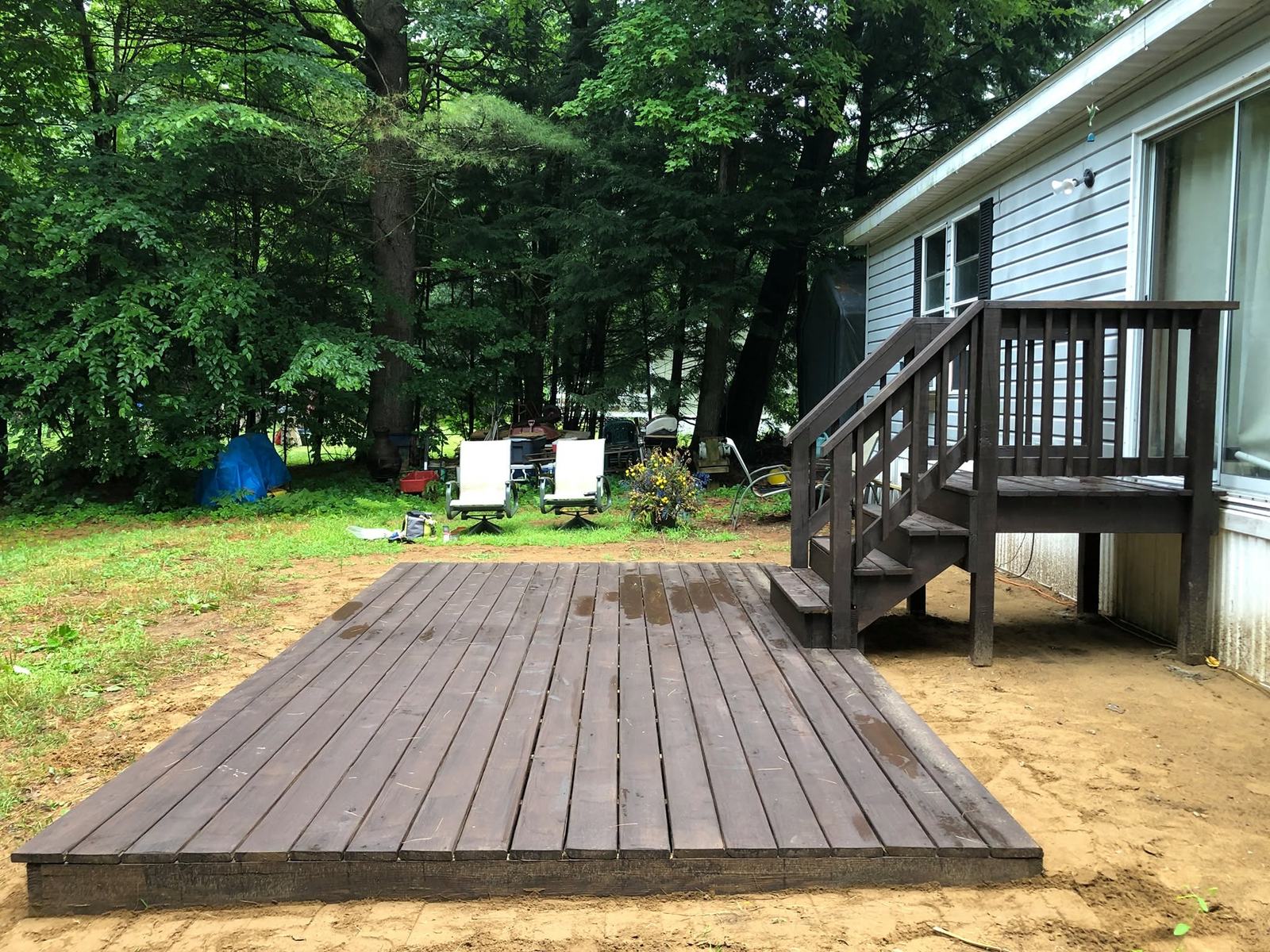
In Saratoga Springs, you'll almost always need a building permit if the work changes the structure, adds space, or puts in new plumbing, electrical or mechanical work. Painting, new flooring, or new cabinets on the same walls generally don't need one. Decks, additions, porch rebuilds, taking out or changing a wall, and finishing a basement are the usual suspects. The rules and thresholds are set locally and they change, so the answer you can count on comes from the City of Saratoga Springs Building Department, or from your town's building department if you live outside the city.
What needs a permit
Permitted work gets inspected against the New York State Residential Code, which is based on the International Residential Code. This is the work that generally needs a permit:
- Decks and porches, new or rebuilt, especially ones attached to the house or raised off the ground
- Additions, including a porch enclosure that turns into living space
- Structural changes, like taking out or altering a wall, cutting a new window or door opening, or changing roof framing
- New or relocated plumbing, such as moving a sink or adding a bathroom
- Electrical work past a simple fixture swap, such as new circuits or a panel change
- Heating, ventilation and fuel-burning equipment, including new furnaces, boilers and wood stoves
- Finishing a basement, and any change that creates a bedroom
- Demolition of a structure or a big part of one
Some cities and towns also want permits for a new roof, new siding, fences, sheds over a certain size, and retaining walls. Those thresholds move around from one place to the next. Don't go by what your neighbor did or what some website written for another state says. Call about your address.
What usually doesn't
Cosmetic work generally doesn't need a permit. Paint, wallpaper, new flooring, new cabinets and counters in the same layout, and a new fixture in the same spot all fall here.
There are exceptions even in that group. Swapping a water heater is often regulated. And a house in a historic district can need review for work that isn't structural at all. If you're not sure, call the building department before anybody picks up a pry bar.
Historic districts add a second approval
Saratoga Springs has historic districts, and exterior changes to houses in them can need approval from the city's Design Review Commission on top of the building permit. That covers things like new porches and railings, replacement windows and doors, siding, roofing materials, and additions you can see from the street.
Review takes time. If you own an older house downtown or in one of the historic neighborhoods, put that time in the schedule before you put a start date on anything. Our post on restoring an old house in Saratoga Springs goes into what tends to come up on those houses.
Zoning is its own question. Setbacks, lot coverage and height are zoning rules, and an addition or a big deck that creeps toward a property line may need zoning approval or a variance before the building department will issue a permit at all.
How it goes, start to finish
Every department runs it a little differently, but the steps are about the same. First comes the application, a description of the work with drawings or a site plan. Bigger projects may need plans stamped by an architect or professional engineer.
Then insurance. New York requires proof of workers' compensation and disability benefits coverage, or a valid exemption, before it'll issue most building permits. A contractor hands over certificates. A homeowner doing their own work on their own house may qualify for an exemption form instead. We go through the details in contractor insurance: what to ask in NY.
The department reviews the plans against code and zoning. Once work starts, an inspector comes out at set stages. On a deck that can mean looking at the footing holes before the concrete goes in. On a remodel it can mean framing before the walls get closed up. Then there's a final.
After the final passes, the permit gets closed, and you may get a certificate of completion or occupancy. Fees, timelines and paperwork are set by each city or town, so check with the department or its official page for what applies right now.
What skipping it costs you later
Unpermitted work has a way of showing up when you sell. A buyer's inspector or attorney notices a deck, an addition or a finished basement that isn't in the city's records. Now the closing is delayed, or the price drops, or you're applying for a permit after the fact. That last one can mean opening up finished walls so an inspector can see what's inside them.
Insurers may also question a claim that involves unpermitted work.
The bigger reason is that inspections catch dangerous mistakes you can't see once they're covered. A ledger fastened to the house the wrong way. A post with no footing under it. A circuit loaded past what it can take. On decks, the code calls for guards where the surface is more than 30 inches above grade, at least 36 inches high, with openings a 4-inch sphere can't pass through, and a handrail on any stair with four or more risers. Our post on when stairs need a handrail explains those rules in more detail.
Who pulls the permit
On contracted work, the contractor doing the job commonly pulls it. Their insurance certificates go in with the application, and they're the ones scheduling inspections around the work. Whoever files, talk about the permit before the job starts and make sure it's written into the scope.
If a contractor tells you to skip a permit on work that obviously needs one, take that as a warning and keep looking. Our Saratoga Springs deck builder guide lists other questions to ask before you hire someone for outdoor work.
Frequently asked questions
Do I need a permit to replace my deck in Saratoga Springs?
Usually, yes, especially if the frame, footings or ledger are being rebuilt. Putting new boards on a sound frame may be treated differently. Confirm with the Saratoga Springs Building Department before you start.
How long does it take to get a permit?
That comes down to the project and how busy the department is. Simple jobs can go through quickly. Anything that needs design review or zoning approval takes longer. Ask the department what they're seeing now, and apply well ahead of the date you want to start.
Can I get a permit after the work is done?
Often, yes. But it can mean exposing finished work for inspection and fixing anything that doesn't meet code. Getting the permit first is almost always easier and cheaper.
On a deck, stair or railing job, we sort out the permit question while we're still measuring and drawing, so it's settled before any lumber gets ordered. More on our work in the city is on the Saratoga Springs page.