What to inspect around your house after a Capital Region winter
A room-by-room and yard-by-yard walk-around for the first dry weekend of spring, with what each kind of winter damage looks like and how urgent it is.
After a Capital Region winter, walk the house looking for what ice, snow and freeze-thaw left behind: shingles the wind lifted, ceiling stains from ice dams, gutters bent under the weight of ice, steps and deck posts pushed up by frost, and concrete flaking from salt. Do it the first dry weekend after the snow's gone, before the spring rains pile on. Most of what you find in April started small in January, and if you catch it now you're usually fixing it, not replacing it.
What a winter here actually does
Around here the temperature crosses freezing over and over from November to April, and each time water in a crack freezes and opens it wider. Wet soil freezes and heaves up, then settles back unevenly when it thaws. Snow melts on a warm roof, runs down to the cold eaves and freezes again into an ice dam. Road salt and ice melt eat at concrete and metal, and the plow and the snowblower take a swipe at anything near the driveway.
None of that is unusual. Grab a notebook, a flashlight, a screwdriver and a pair of binoculars and go around once.
Look at the roof from the ground
Start at the top, and stay on the ground to do it. Use the binoculars on the shingles, mostly along the ridges and edges. You're looking for missing ones, curled or lifted tabs, and nail heads showing. Then check the flashing around the chimney, the vent pipes and anywhere a roof meets a wall for bent or lifted metal.
Ice is hard on gutters. It bends them, pulls the hangers loose and opens the seams. Sight down each run for sags and for spots where the gutter has pulled away from the fascia. Look at the fascia board behind it too. Peeling paint or dark streaks there mean water's been getting behind it, and our post on soffit and fascia repair picks it up from there.
Leave the roof itself to a roofer. Shingles are often wet and slick in spring, and walking a roof then is a real way to get hurt.
Ice dam stains inside
Ice dams leave marks indoors that outlast the snow. Go along the outside walls on the top floor, especially the ceilings under the eaves. Brown or yellow rings on the ceiling or high on a wall, paint bubbling or peeling near the ceiling line, and upstairs window trim that's swollen or stained are the things to find. In the attic, look for damp or flattened insulation.
A stain that showed up over the winter needs looking into even if it's dry now. Wet insulation and framing can stay damp long after the paint looks fine. Our guide to ice dam damage repair covers how to trace it back and what the repair usually takes. If you smell mold or see it on drywall or framing, call a professional.
Steps, walks and deck posts that moved
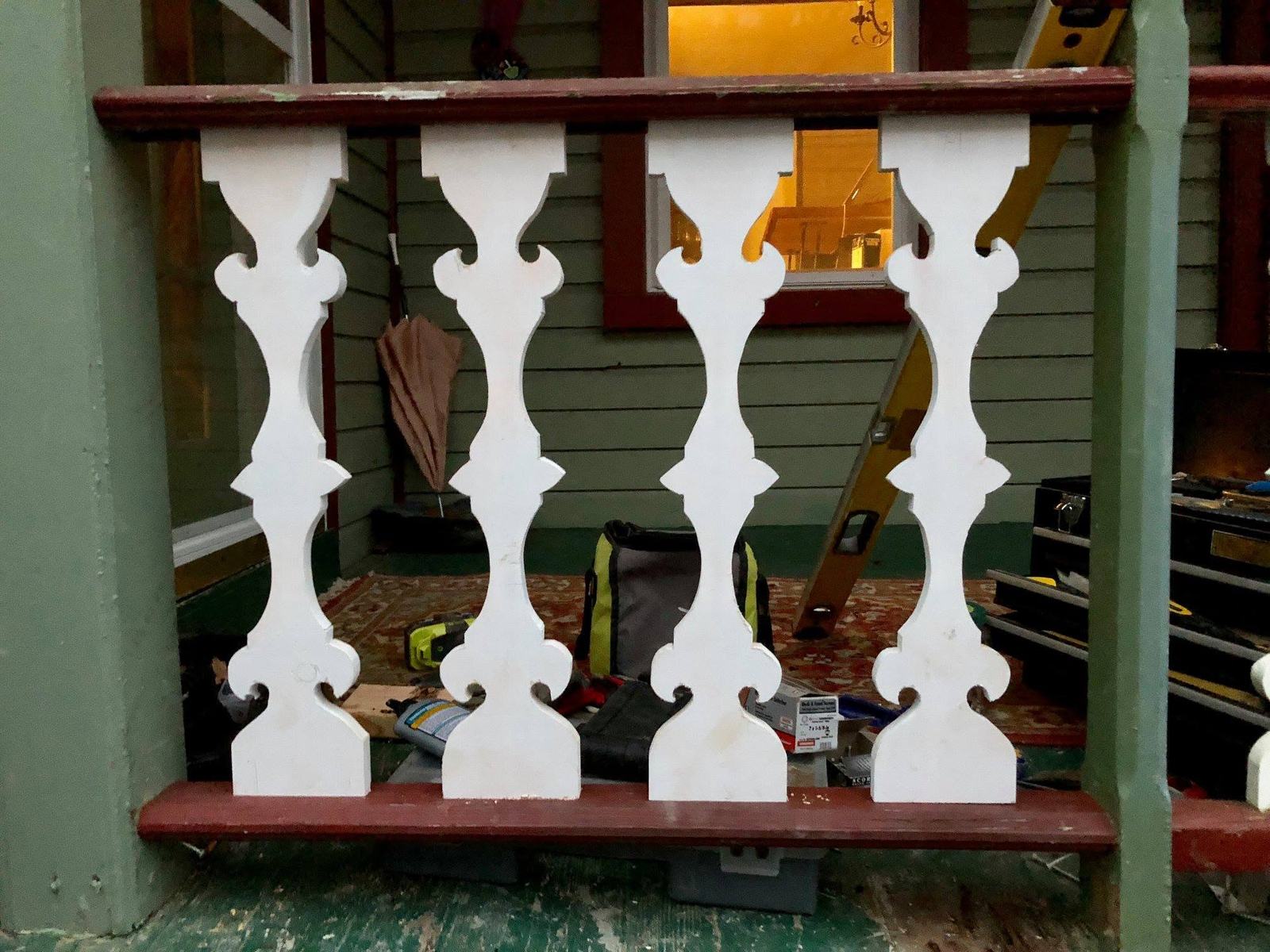
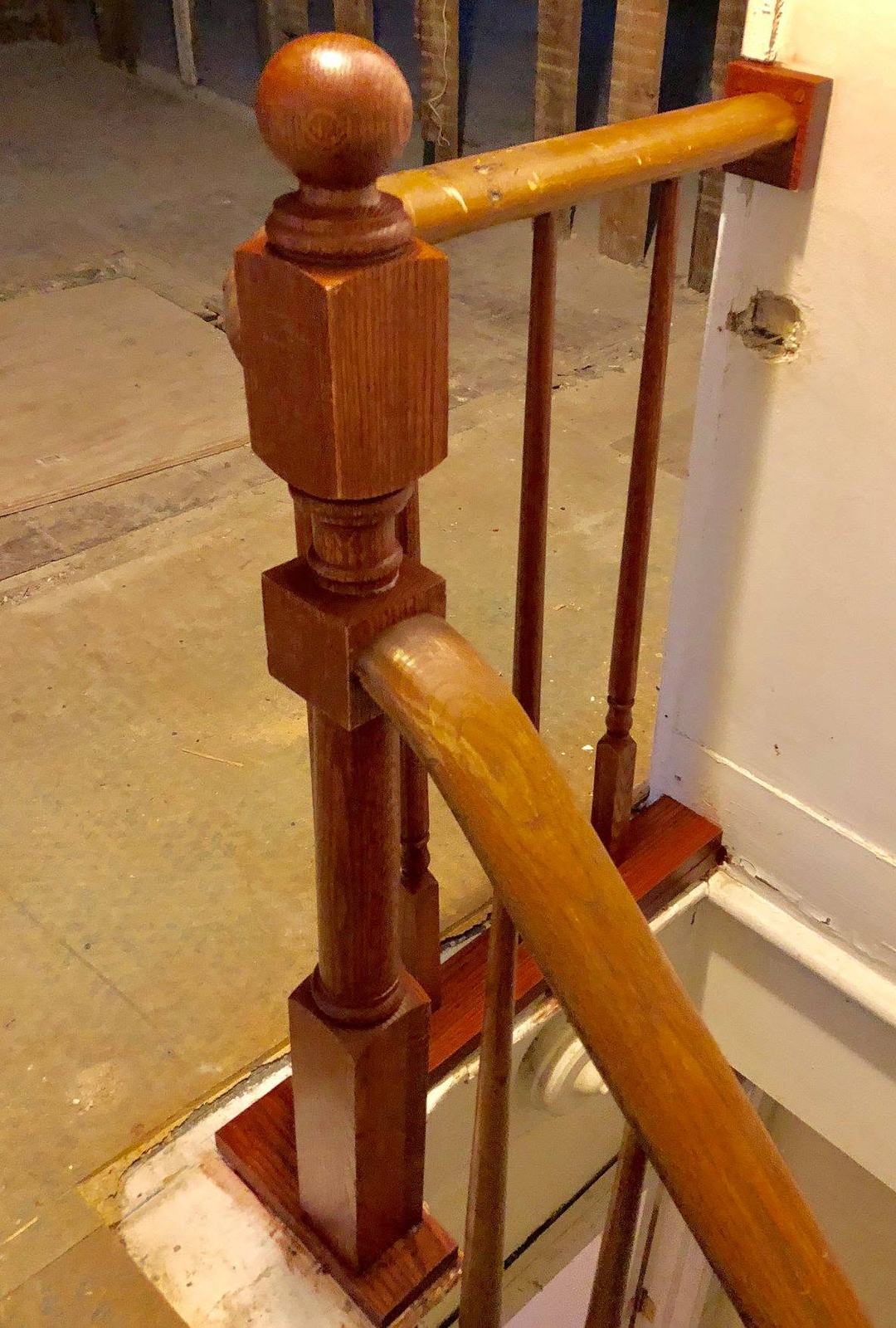
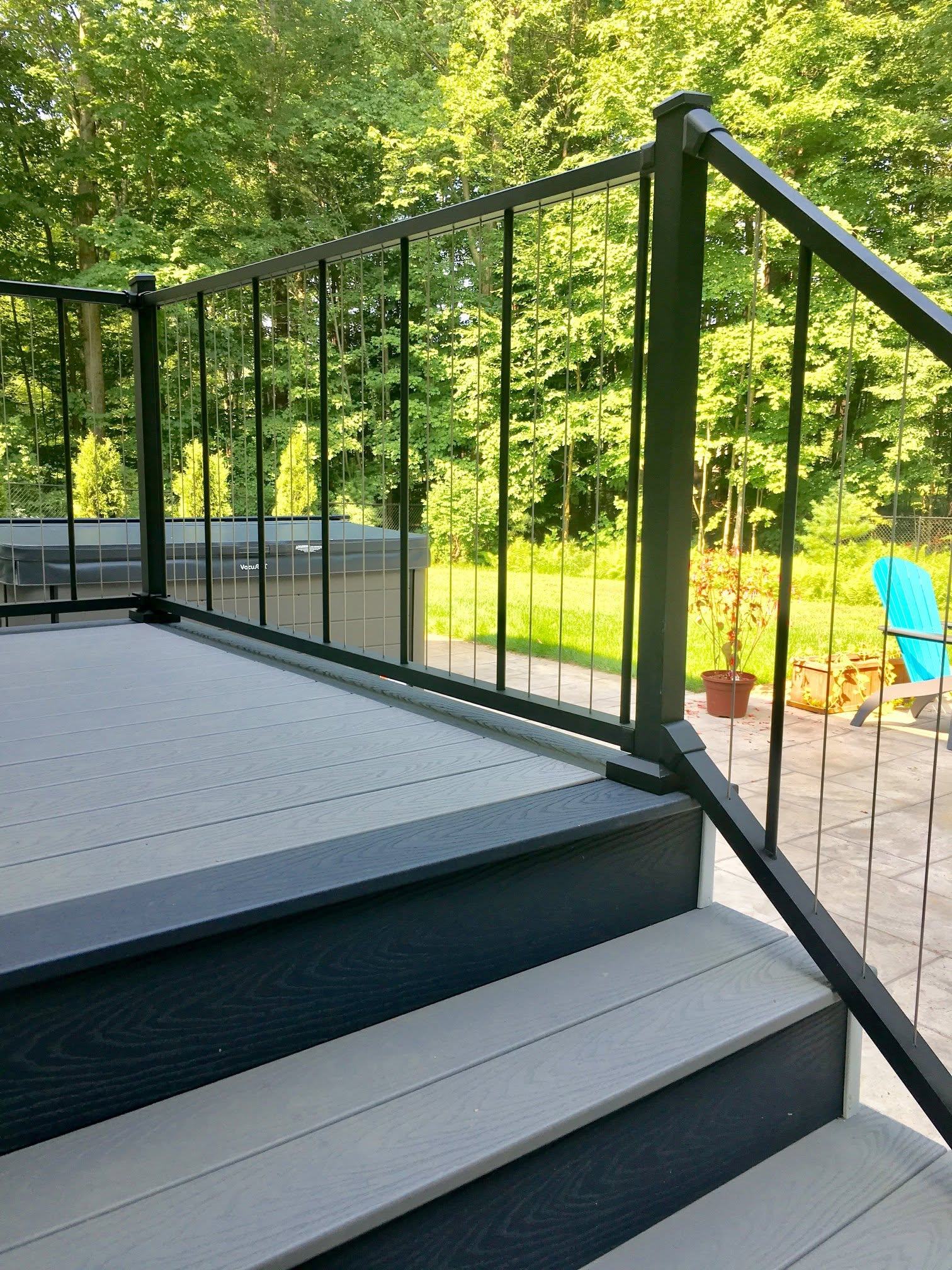
Frost heave is the thing we see most in spring. Concrete steps tip forward or pull away from the house and leave a new gap at the top. Walkway slabs end up with a trip edge. Deck posts and footings lift, so the deck's out of level or the stair landing tilts. A railing that was solid in October leans or wobbles in April.
Some of that settles back as the ground thaws. What's still out of place once the soil dries, or what moves a little more every year, tells you the step or footing wasn't built below frost depth, or water's collecting under it. Our post on concrete and wood step repair goes through the options.
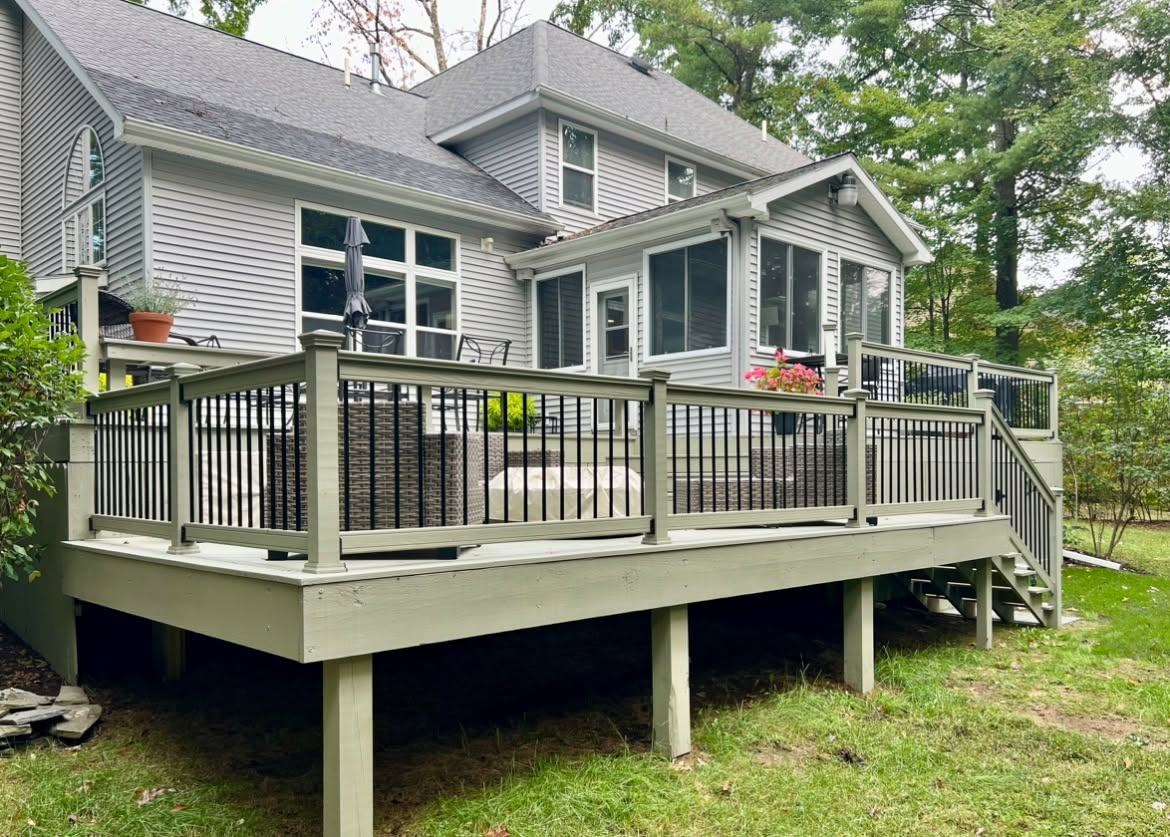
Shake the deck stairs and railings hard, since one heaved post can loosen everything bolted to it. If you find soft boards, rotted posts or framing that's shifted, read signs your deck needs to be replaced before you decide to patch it.
Concrete, foundation and chimney
Flaking and pitting on concrete steps, walks and the garage floor is spalling, and around here it's mostly salt plus freeze-thaw. A few small spots can be patched. When it's spread across the whole surface, you're looking at resurfacing or replacing. A gentler ice melt or sand on the steps next winter slows it down.
Hairline cracks in a poured foundation are common and mostly harmless. Get a structural engineer to look at any crack wider than a pencil line, a stair-step crack running through block or brick, or a crack where one side has pushed out past the other.
On the chimney, look for missing mortar, loose bricks and a cracked cap. That's a mason's job.
Siding, trim and windows
Snowblowers, plows and shovels scrape siding and corner boards near the ground. Caulk at windows, doors and corners cracks and falls out over a winter. Push a screwdriver into each window sill; if it sinks in, the sill's soft. And look for paint that came off over the winter and left bare wood exposed.
Leave trim and sill repairs, and the paint that protects them, for late spring, when the wood has dried out and the temperatures have settled.
Water and the basement
Spring melt is when a lot of basements take on water. After a good rain, go down and look for damp walls, puddles, or the white crusty deposits on masonry called efflorescence, which is what water leaves behind when it seeps through. If you have a sump pump, pour a bucket of water into the pit and make sure it kicks on.
Outside, check that every downspout is still connected and its extension is carrying water away from the house. They get knocked loose clearing snow all the time. Low spots in the soil along the foundation that slope back toward the house should be built up and regraded. Once nights stay above freezing, turn the outside water back on and check the faucets and hoses for leaks.
What to fix first
Safety first. Loose railings, heaved steps and wobbly deck stairs get fixed right away. Water problems come next: gutter damage, lifted flashing, ceiling stains and seepage in the basement should be handled before the heavy spring rains. Peeling paint, scraped siding and light spalling can wait for summer.
Contractors' spring calendars fill fast, so get bigger projects scheduled early. For a deck, see the best time to build a deck in the Capital Region.
Frequently asked questions
When should I do a spring home inspection in upstate New York?
Once the snow is gone and the ground has started to dry, which is usually late March into April. Do the roof, gutters and steps first. Check inside for ceiling stains and basement water after the first heavy rain.
Will frost-heaved steps settle back down on their own?
Partway, sometimes, as the ground thaws. They almost never go back exactly where they were. Steps that move every winter need work on the footing or the drainage under them.
How do I know if a ceiling stain is from an ice dam?
Ice dam stains show up on top-floor ceilings or walls near the outside edge of the house, under the eaves, during or just after a stretch of heavy snow followed by a thaw. A roof leak somewhere else, or a plumbing leak, tends to show up in other places.
Heaved steps, leaning rails and decks that came out of winter worse than they went in are the part of this list we handle, through our decks, stairs and railings work across the Capital Region. Once we've been under it, we'll tell you whether it's a repair or a rebuild.